
Practical Guide to Systemic Change in Communities
Addressing community issues often requires a systemic approach. This article explores practical strategies for initiating meaningful change, grounded in evidence and expert recommendations.
Understanding the Basics of Systemic Change
Systemic change refers to altering the fundamental structures and patterns within a community. According to research, this type of change is essential for addressing deeply entrenched issues such as poverty and inequality. Experts suggest that understanding the interconnections within community systems—social, economic, and environmental—is crucial for developing effective strategies.
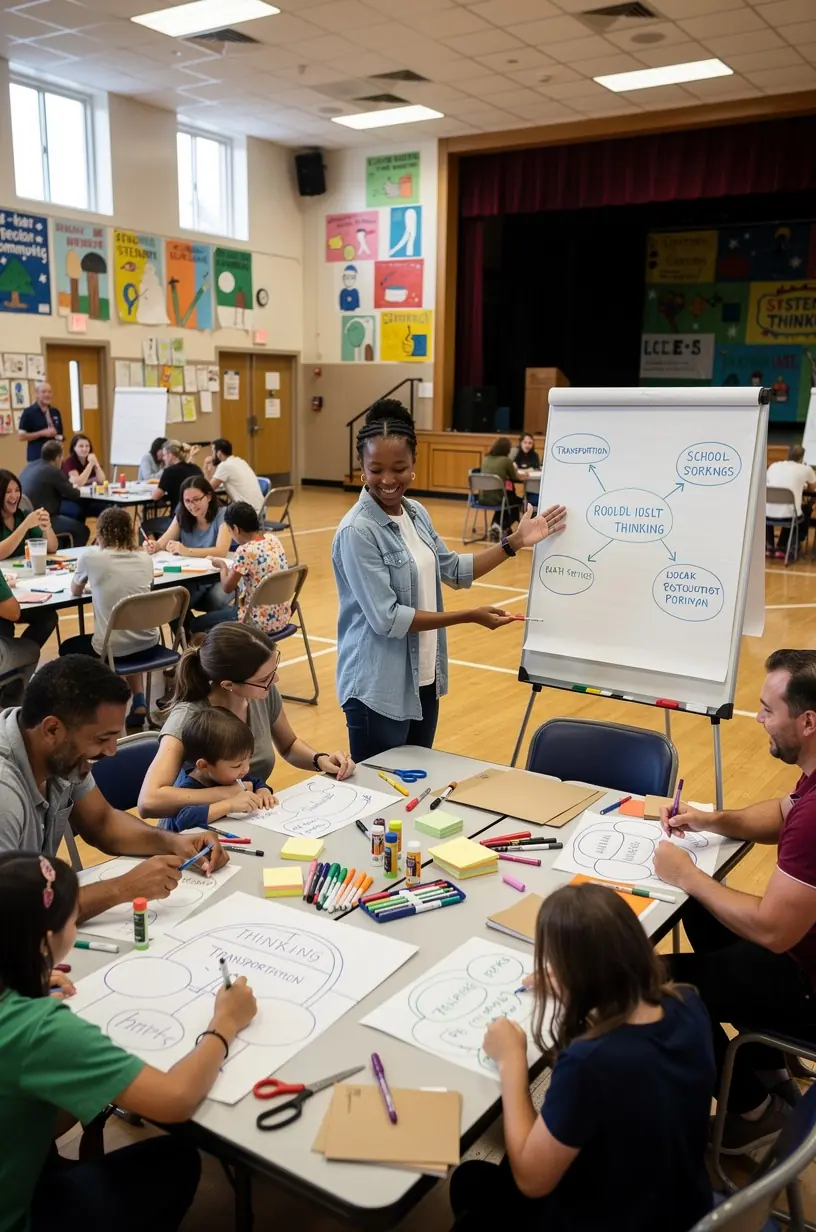
"The principle behind systemic change is to address the root causes of problems, rather than just their symptoms." – Community Development Expert
Key Principles for Implementing Systemic Change
- Emphasize Collaboration: Engaging various stakeholders, including community members, local organizations, and government entities, typically results in more comprehensive solutions. Collaboration fosters a sense of ownership and accountability among participants.
- Focus on Evidence-based Approaches: Using data and research to guide decisions is vital. Studies show that initiatives grounded in solid evidence can improve outcomes significantly. Implementing pilot programs can help test ideas before broader application.
- Adapt and Evolve: Systemic change requires ongoing evaluation and adaptation. Initiatives should be flexible to respond to feedback and changing community needs. This iterative approach can enhance effectiveness over time.
Steps to Foster Systemic Change
Implementing systemic change involves several stages:
- Identify and Define the Issue: Engage the community to articulate the current challenges. This process often involves surveys, interviews, and community meetings to ensure a clear understanding of the issues at hand.
- Map the System: Visualizing the interconnected factors influencing the issue can reveal leverage points for intervention. Various modeling methods, like causal loop diagrams, are commonly used in this stage.
- Develop a Strategic Plan: Based on the mapping, create a plan that outlines specific goals, actions, and timelines. Ensure that the plan incorporates input from diverse community stakeholders to enhance buy-in.
- Implement and Monitor: Begin executing the plan while establishing metrics to monitor progress. Regular check-ins allow for adjustments based on what is working or not, ensuring that efforts remain relevant and effective.
- Evaluate and Reflect: After implementation, conduct a thorough evaluation to assess results against the initial goals. Gather feedback from participants to understand the impact and identify areas for improvement.
Challenges in Systemic Change
While pursuing systemic change, it is essential to acknowledge the challenges that may arise:
- Time Commitment: Systemic change often requires sustained effort over months or even years. Engaging the community and building relationships takes time.
- Resistance to Change: Communities may be resistant to new ideas due to established norms or fear of the unknown. Addressing these concerns through open dialogue and education can help mitigate resistance.
- Resource Limitations: Communities may face financial or organizational constraints that limit their ability to implement changes. Identifying partnerships can help leverage resources effectively.
Conclusion
Systemic change is a complex but essential process for addressing the intricacies of community challenges. By focusing on collaboration, evidence-based strategies, and continuous evaluation, communities can work towards meaningful and lasting improvements. While challenges exist, the commitment to understanding and improving systemic structures can lead to significant community advancement over time.
Learn More