How to Facilitate Effective Group Discussions
Facilitating group discussions can be a challenging yet rewarding experience. By applying structured approaches, one can significantly enhance the productivity and effectiveness of group interactions. This article explores practical strategies to improve group discussions, supported by research and expert insights.
Understanding the Role of a Facilitator
Facilitators play a crucial role in guiding group discussions. According to research by the International Association of Facilitators, a skilled facilitator can improve group outcomes by fostering open communication and ensuring all voices are heard. This role is particularly important in settings where diverse opinions exist, as it helps participants feel valued and encourages collaboration.
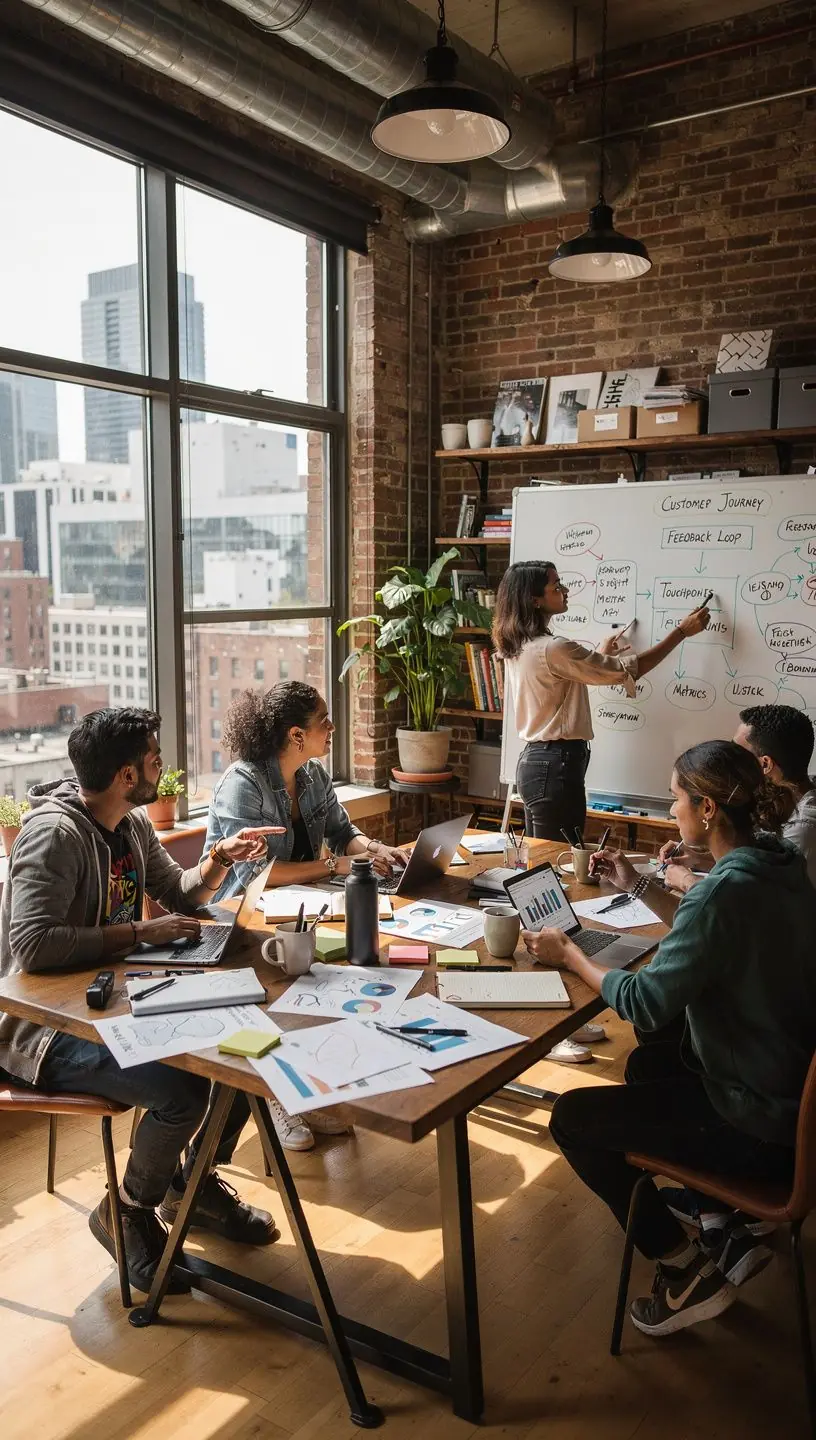
"Effective facilitation can lead to increased engagement and better decision-making outcomes." – Experts in group dynamics
Key Strategies for Effective Facilitation
Implementing various strategies can greatly improve the flow and quality of group discussions. Here are some proven approaches:
- Establish Clear Objectives: Clearly defined goals help participants understand the purpose of the discussion. Research indicates that discussions with specific goals are often more focused and productive.
- Encourage Participation: Involving all participants can be challenging, but it's essential. Techniques such as “round-robin” sharing, where each participant takes turns speaking, can be effective. Many users report that this method increases engagement and reduces the dominance of more outspoken members.
- Utilize Active Listening: This involves acknowledging what participants say and responding thoughtfully. Studies show that active listening can enhance mutual respect and encourage a more open sharing of ideas, leading to better group outcomes.
Creating a Supportive Environment
A supportive environment is vital for productive discussion. Here are some tips to create such an atmosphere:
- Set Ground Rules: Establishing basic rules such as no interrupting and respecting differing opinions can help maintain a respectful dialogue.
- Be Mindful of Group Dynamics: Pay attention to group dynamics and address any imbalances in participation. If one or two individuals dominate the conversation, gently encourage quieter members to share their insights.
- Maintain Neutrality: As a facilitator, it's important to remain neutral and avoid expressing personal opinions. This helps create an unbiased space, allowing all voices to be heard equally.
Challenges and Limitations
While facilitating discussions can lead to productive outcomes, it’s essential to recognize potential challenges. For instance, facilitating a group discussion typically requires careful planning and may involve managing conflicts. In many cases, facilitators may need to spend additional time preparing and understanding the group dynamics prior to the discussion.
Additionally, not every method works in all situations. For example, round-robin sharing may not be suitable for large groups or high-pressure environments where time is constrained. Being aware of the specific context and adjusting strategies accordingly is crucial for effectiveness.
Conclusion
Facilitating effective group discussions is an art that combines structured approaches with interpersonal skills. By understanding the various strategies, creating a supportive environment, and being aware of potential challenges, facilitators can significantly enhance group interactions. Implementing these practices can lead to more engaged participants and improved outcomes, making meetings and discussions not only more productive but also more enjoyable for everyone involved.
Learn More