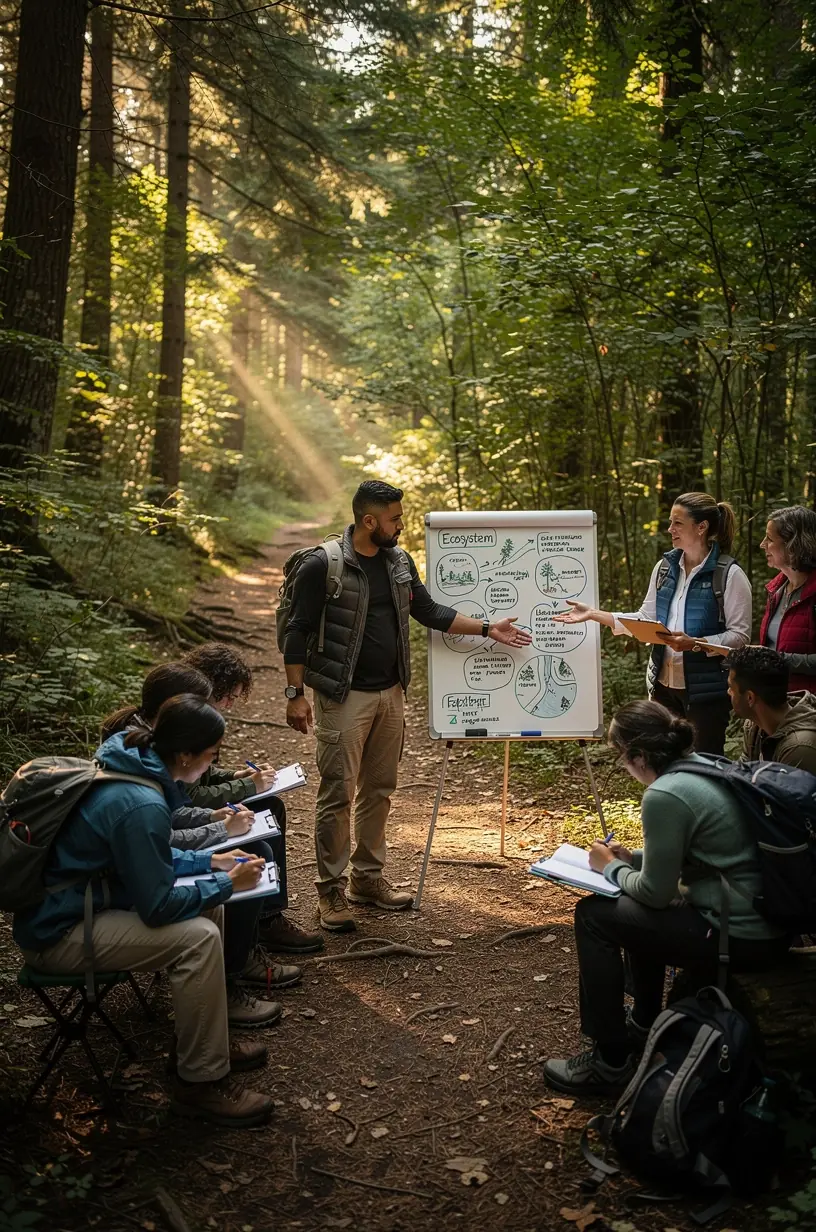
Systemic Approaches to Environmental Sustainability
Understanding environmental sustainability requires a systemic approach that addresses the interconnectedness of ecological, social, and economic factors. This article explores effective methodologies to tackle environmental challenges within daily practices.
Understanding Systems Thinking in Sustainability
Systems thinking is a holistic approach that considers the complex interactions within environmental systems. According to research by the U.S. Environmental Protection Agency, applying systems thinking can lead to more effective environmental management by recognizing the interdependencies between human actions and ecological health.

"Environmental sustainability is achieved when social, economic, and ecological systems are viewed as interconnected." - Environmental Expert
The Importance of a Structured Approach
Utilizing a structured approach is essential for implementing sustainable practices. This typically involves:
- Assessment: Evaluating current practices and their impact on the environment. Studies show that organizations that conduct thorough assessments can identify key areas for improvement.
- Goal Setting: Establishing realistic and measureable sustainability goals. Experts recommend that goals should be specific enough to track progress effectively.
- Implementation: Applying strategies that integrate sustainability into everyday operations. This may involve changing procurement practices or adopting energy-efficient technologies.
Examples of Systemic Approaches in Action
Several organizations have successfully implemented systemic environmental practices:
- Waste Reduction: Companies that adopt a zero-waste policy typically see significant reductions in landfill contributions. Research indicates that businesses can cut waste by up to 90% through structured recycling and composting initiatives.
- Resource Efficiency: Organizations investing in energy efficiency upgrades often experience a decrease in energy costs by 10-30%. This has been supported by studies conducted by the International Energy Agency.
- Sustainable Supply Chain: Businesses that focus on sustainable sourcing practices report improved supplier relationships and reduced environmental risks. This shift often requires a deep understanding of supply chain dynamics.
Challenges to Consider
While systemic approaches offer numerous benefits, acknowledging potential challenges is crucial:
- Time Commitment: Implementing sustainable practices typically requires a long-term commitment, often taking several months to see significant changes.
- Learning Curve: Organizations may need to invest in training staff to understand and adopt new practices effectively. This effort can be significant, as adapting to new systems often requires changing ingrained habits.
- Resource Allocation: A structured approach can require substantial initial investment, which may not yield immediate returns. Experts suggest that a phased approach can help in managing this transition.
Conclusion
Adopting a systemic approach to environmental sustainability is not just beneficial but essential in today's interconnected world. By understanding the principles of systems thinking, organizations and individuals can implement effective strategies that contribute to a more sustainable future. Although challenges exist, the potential for positive environmental impact makes these efforts worthwhile. As this field continues to evolve, staying informed and adaptable remains key to success.